Top 7 Alternatives of Tugboat Logic
Many compliance teams spend weeks collecting evidence before every audit because their current platform cannot map controls to actual workflows.
That gap forces analysts to chase spreadsheets and screenshots instead of completing the review. This article shows which seven platforms handle that mapping automatically, how Process Street ranks among them, and the three questions that decide the best fit for a given team.
What to Look For in Compliance Automation Platforms
Compliance automation platforms must deliver measurable reductions in audit prep time and real-time visibility into control status. Organizations need tools that handle evidence collection, control testing, and reporting without manual intervention.
Teams evaluating these platforms should focus on ten core capabilities. Each criterion addresses specific pain points in compliance workflows.
The first requirement involves automated evidence collection. Platforms should reduce manual gathering by a significant portion through continuous monitoring and data capture.
Native cloud integrations rank as essential. Direct connections with AWS, Azure, and Google Cloud eliminate data transfer delays and reduce configuration errors.
Pre-built control libraries mapped to SOC 2, ISO 27001, and GDPR save setup time. These templates eliminate the need to create controls from scratch for each framework.
An automated evidence repository with immutable logs provides audit trail integrity. Version history and timestamp tracking support regulatory requirements for data authenticity.
Role-based access controls and approval workflows maintain security boundaries. Different team members need varying permission levels based on their compliance responsibilities.
Vendor risk scoring and questionnaire automation streamline third-party assessments. These features reduce the manual effort required for security questionnaires and vendor reviews.
Continuous compliance scoring dashboards provide instant visibility into control effectiveness. Real-time metrics help teams identify gaps before external audits occur.
Policy version control with attestation tracking ensures teams work from current documents. Automated notifications keep stakeholders informed of policy updates and required acknowledgments.
Risk registers with automated issue escalation help teams prioritize remediation efforts. These systems track identified risks and trigger follow-up actions based on severity levels.
Data-residency options and SOC 2 Type II certification address regulatory and customer requirements. Organizations must verify that platforms meet their specific geographic and security standards.
1. Process Street - Best Overall
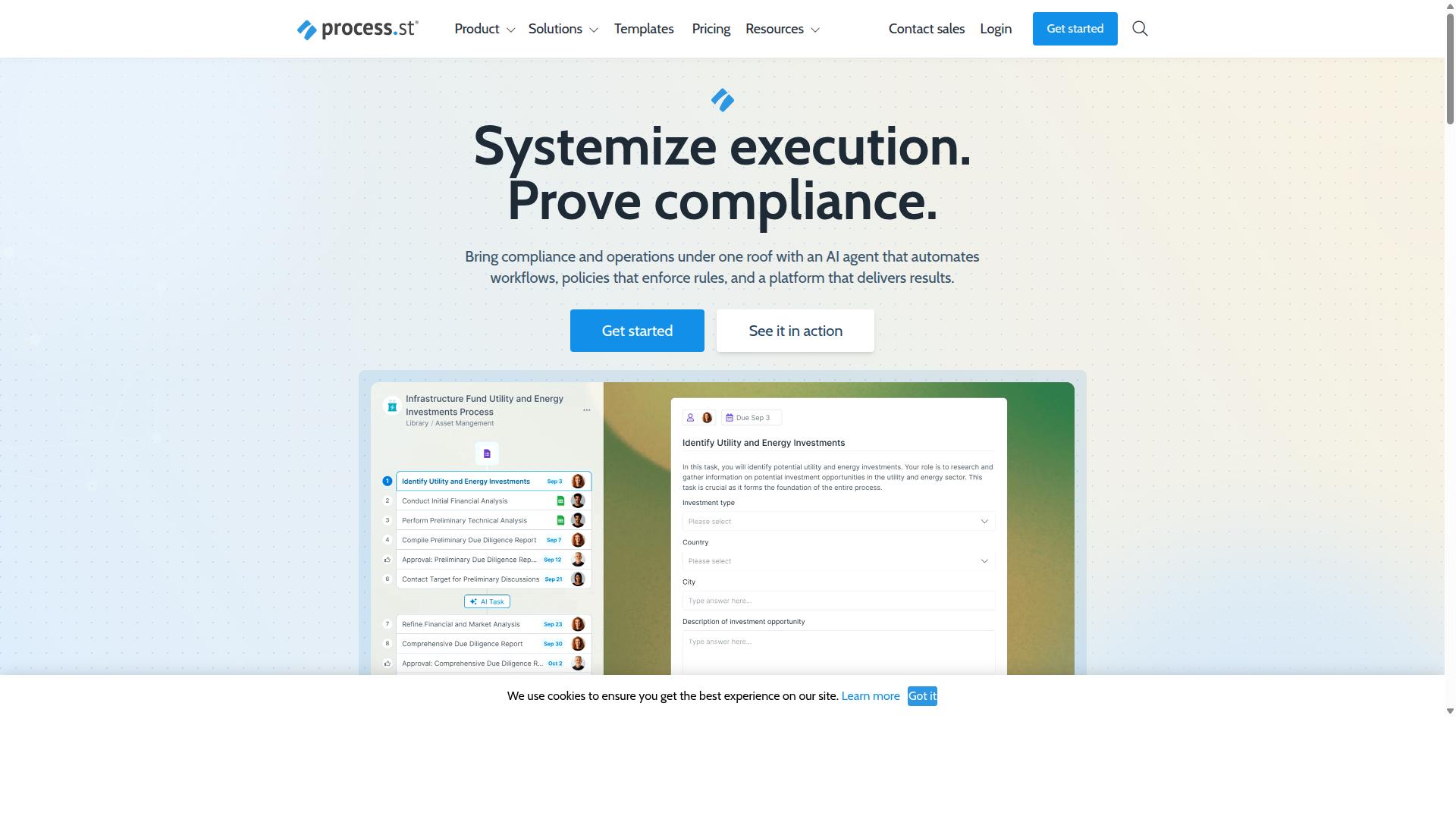
Process Street leads the comparison by combining document governance with AI-driven workflow execution and audit-ready proof.
The platform stands out because it holds both SOC 2 Type II and ISO 27001 certifications while delivering measurable speed gains for compliance teams.
Research suggests organizations see documentation completed 30 percent faster when replacing fragmented tools with a single governed system. The service already supports 1 million users across more than 3,000 companies, giving it depth in regulated industries.
Teams that previously managed separate spreadsheets, shared drives, and ticketing systems now run policy updates, evidence collection, and control testing inside one workspace. This consolidation reduces hand-offs and keeps audit trails intact without extra manual formatting.
Process Street Core Capabilities
Process Street's Docs module offers full policy lifecycle control while Ops turns policies into executable, AI-powered workflows.
The Docs product supplies document management, policy templates, version control, and attestation tracking that satisfy frameworks such as ISO 9001, SOC 2, SOX, and FDA requirements.
The Ops product adds workflow automation, conditional logic, automation actions, and real-time compliance dashboards that convert documented controls into daily tasks.
Integrations with Zapier, Microsoft Power Automate, Tray.io, and Make extend coverage to internal systems that handle vendor risk or continuous monitoring without leaving the main compliance dashboard.
Process Street Pricing Overview
Process Street offers three transparent tiers that scale from early-stage startups to global enterprises.
The Startup plan caps users at five, guests at ten, and automation actions at 100 per month while still allowing unlimited workflows and tasks. It includes a public API limited to 50 calls per month and up to 5,000 Data Set records.
The Pro plan removes most limits and lets teams set custom user counts, automation actions, and API calls to match growing compliance workloads and audit readiness needs.
The Enterprise plan adds unlimited public API access, dedicated Success Manager support, priority SLAs, bulk document import, and process consulting. Custom Data Set records and fully-managed workflows accommodate complex regulatory compliance environments that span multiple regions.
2. Vanta
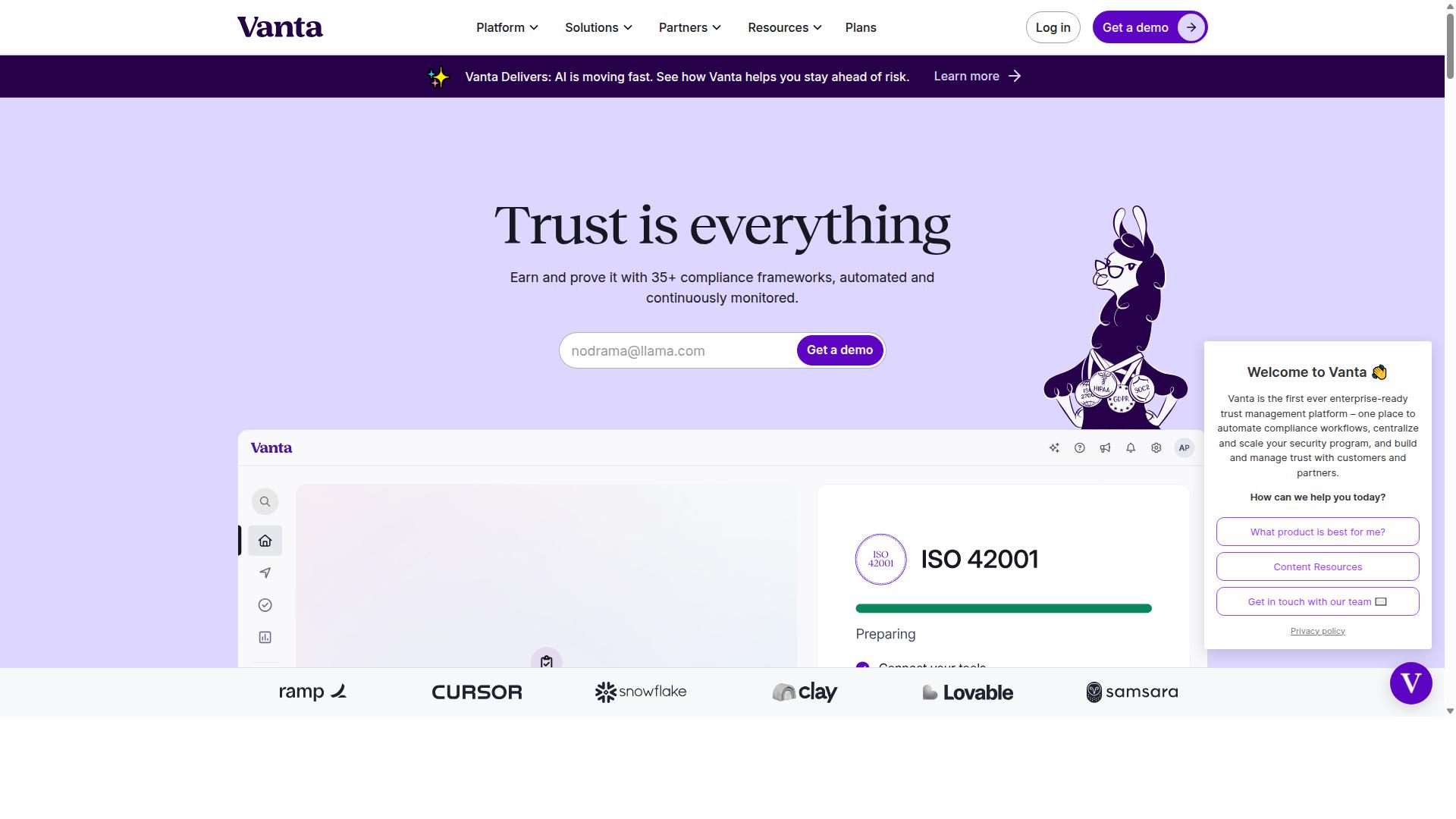
Vanta provides continuous monitoring of cloud environments and automated evidence collection for SOC 2 and ISO 27001 audits.
The platform focuses on real-time control monitoring across multiple frameworks. Organizations can track their security posture through a compliance dashboard that updates automatically.
Vanta connects with a marketplace of integrations to pull data from existing tools. This approach reduces manual work during evidence collection and helps maintain audit readiness throughout the year.
Teams use the system for vendor management and security questionnaire responses. The Trust Center feature allows organizations to share compliance status with customers and partners.
Third party risk management capabilities help companies assess their supply chain security. AI Governance features address emerging regulatory requirements around artificial intelligence systems.
The platform supports healthcare, fintech, and government sectors with specific compliance needs. Users can maintain certifications like GDPR, HIPAA, HITRUST, and ISO 42001 through automated workflows.
Evidence repository functions store documentation in one location for easy access during audits. Control mapping connects security controls to specific compliance requirements across different frameworks.
Policy templates and risk assessment tools help organizations build their compliance programs. The system generates compliance reports that demonstrate ongoing control effectiveness to auditors.
3. Diligent
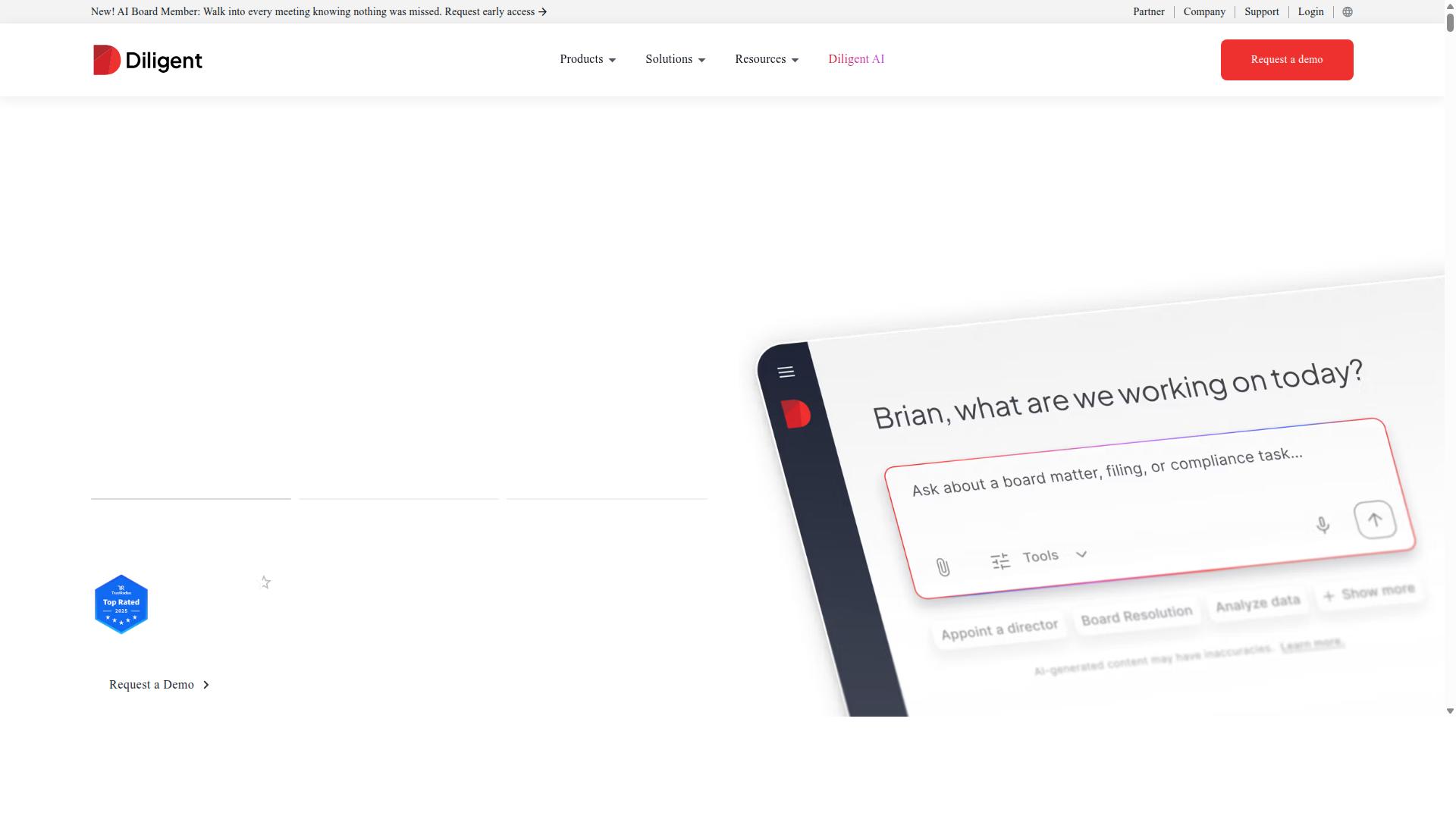
Diligent combines policy management, enterprise risk registers, and third-party vendor assessments within a single GRC suite. Organizations use the platform to centralize governance activities across multiple compliance frameworks such as SOC 2, ISO 27001, and GDPR requirements.
The policy portal allows teams to distribute documents, track acknowledgments, and maintain version control. This helps companies keep employees aligned on current procedures while reducing the risk of outdated guidance.
Risk heat maps provide visual summaries of exposure levels across different business units. Users can update risk scores, assign owners, and monitor mitigation progress through a centralized dashboard.
The vendor portal supports third-party risk management by collecting security questionnaires, tracking certifications, and storing evidence of compliance. This reduces manual follow-ups during annual reviews.
Additional modules cover conflict of interest tracking, compliance education, and internal audit workflows. These tools help organizations maintain regulatory compliance across industries including financial services, healthcare, and government sectors.
4. Scrut Automation
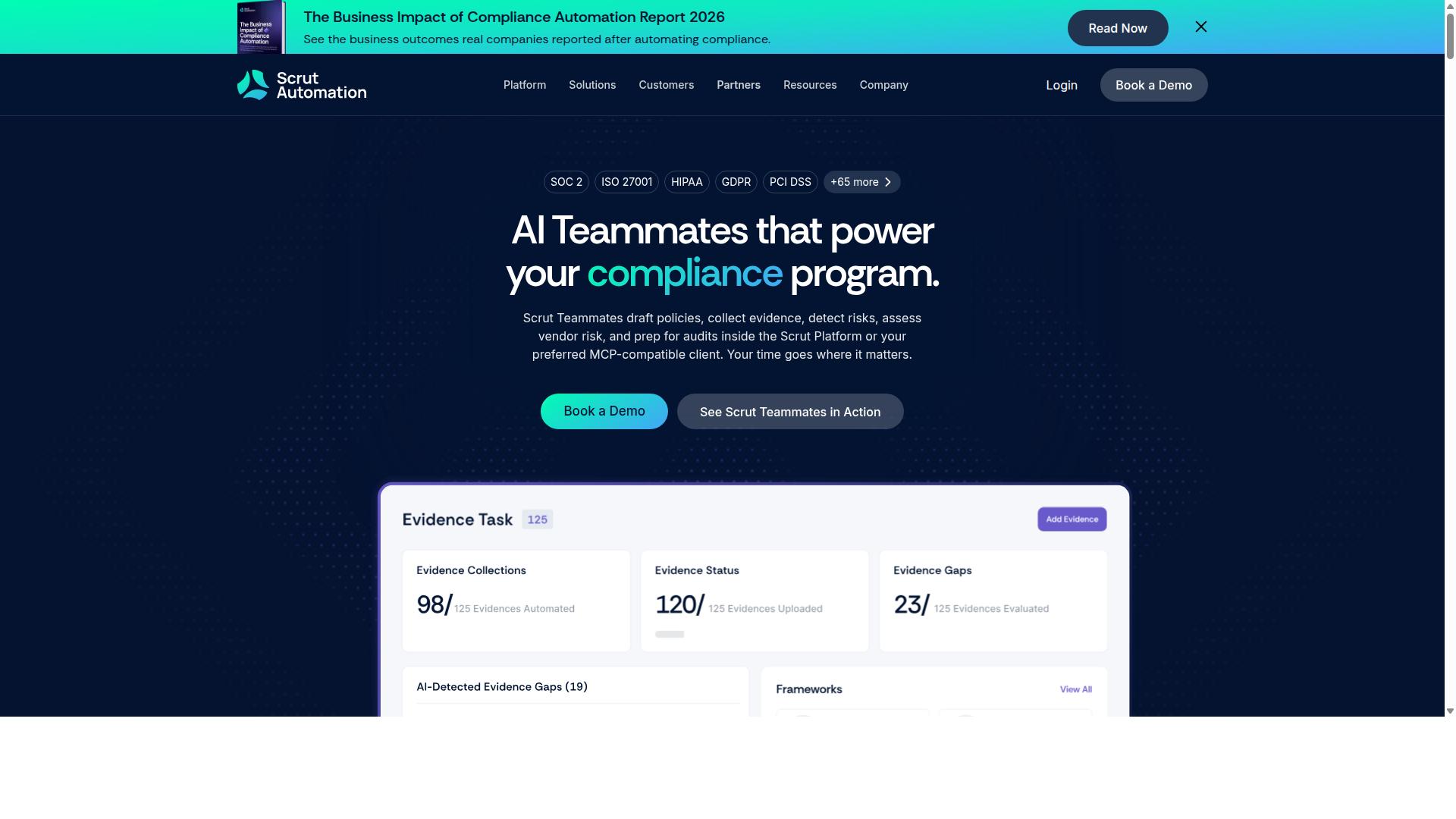
Scrut Automation targets mid-market teams with automated evidence pulls and gap-analysis reports mapped to ISO 27001 and SOC 2. The platform centralizes evidence collection, control monitoring, and policy management for teams preparing for multiple compliance frameworks at once.
Continuous runtime security checks help organizations track asset inventory and validate user privileges across their environments. This approach reduces the manual work typically required for ongoing compliance monitoring and control testing activities.
The platform also handles security questionnaires and third-party risk assessment workflows. Teams can manage vendor relationships and collect necessary documentation through structured processes that support audit readiness.
Scrut supports frameworks including HIPAA, GDPR, PCI DSS, and NIST AI RMF. The system works with startups through enterprise companies across industries such as financial services, healthcare, and enterprise software.
Evidence request workflows streamline the collection process by automating requests and tracking responses. This helps teams maintain compliance documentation without relying on scattered email threads or shared drives.
5. Nintex
Nintex extends SharePoint workflows with robotic process automation and e-signature capabilities for compliance processes. Organizations often use this approach to handle repetitive tasks that require both human oversight and system integration.
The workflow builder allows teams to design processes visually without writing code. Users can drag and drop different components to create approval chains, data validation steps, and notification sequences.
RPA bots handle routine compliance tasks across multiple applications. These automated workers can extract information from emails, update records in connected systems, and flag exceptions for review.
Document automation features help teams generate reports and forms based on templates. Compliance documentation often requires consistent formatting and specific data fields that change based on context.
The platform supports both cloud and self-hosted deployments for different organizational needs. Teams can choose between Nintex Automation CE for cloud environments and Nintex Automation K2 for self-hosted requirements.
Integration with Salesforce allows no-code automation inside customer relationship systems. This helps organizations maintain compliance processes while working within existing business applications.
Microsoft-focused capabilities connect with common office tools for process intelligence. Teams can build workflows that work across familiar productivity applications without learning new interfaces.
Common use cases include contract management, customer compliance checks, and coordination across HR and finance departments. These applications appear across government, financial services, healthcare, and manufacturing sectors.
6. LogicGate Risk Cloud
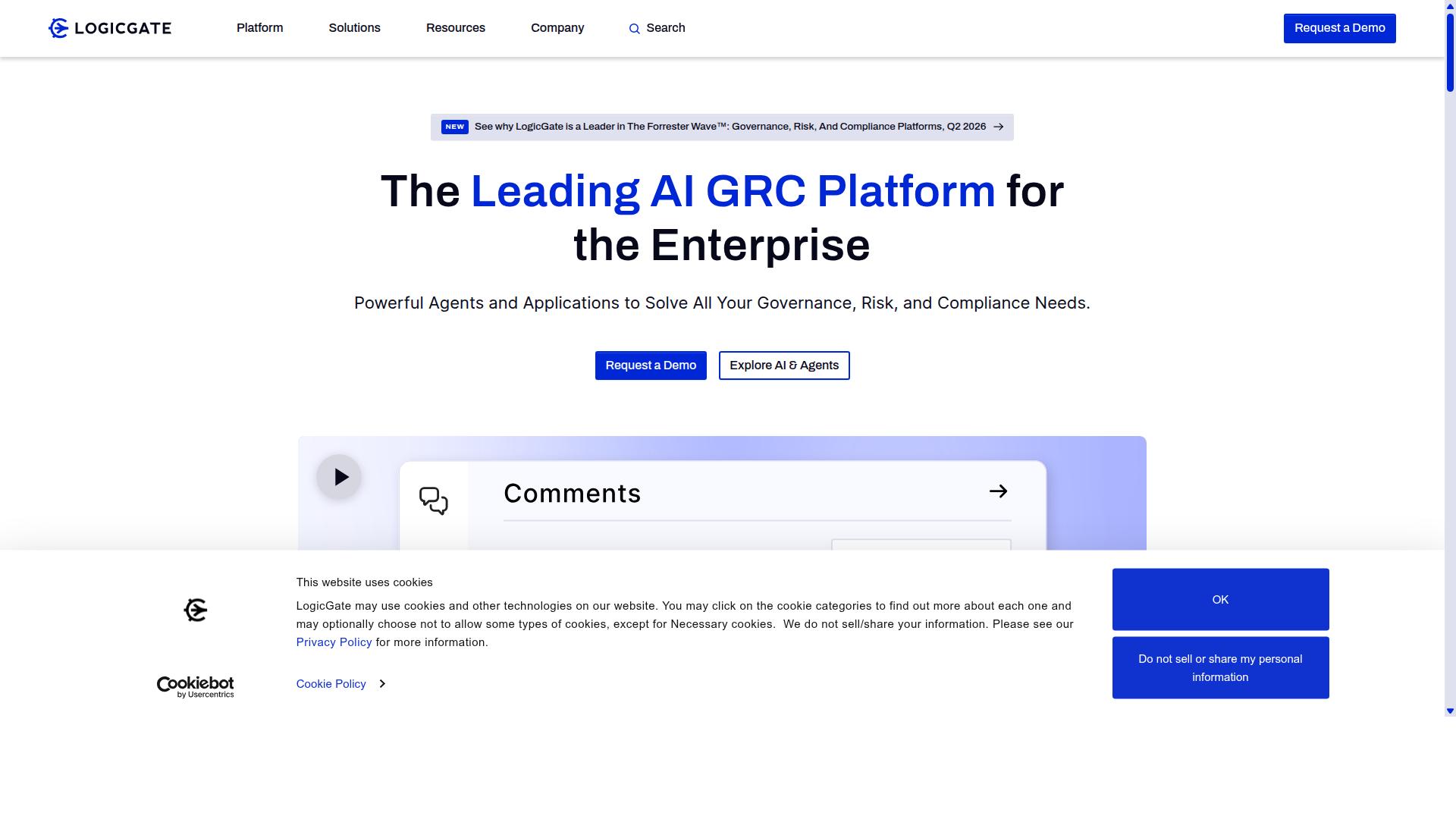
First sentence: LogicGate Risk Cloud allows configurable risk and compliance workflows through a no-code builder aimed at highly regulated industries.
The platform provides modular applications that adapt to different operational needs. Users can configure risk registers to track threats and controls across departments. This flexibility supports ongoing vendor onboarding and issue tracking without complex coding.
Each module connects through shared data models. Teams manage vendor risk alongside risk registers within the same environment. Issue management remains linked to regulatory compliance requirements through automated notifications.
Drag-and-drop workflow design helps organizations create structured compliance processes. Real-time dashboards display control mapping progress and audit readiness status. Integrations with existing systems allow evidence collection to occur automatically.
Automated notifications alert stakeholders when compliance tasks require attention. Audit trails capture every action for regulatory compliance reviews. Customizable risk assessments support SOC 2, ISO 27001, and GDPR requirements.
Organizations handling sensitive information benefit from the centralized evidence repository. Policy templates reduce manual effort while maintaining consistency across security controls. The system supports continuous monitoring of compliance activities.
7. Camunda
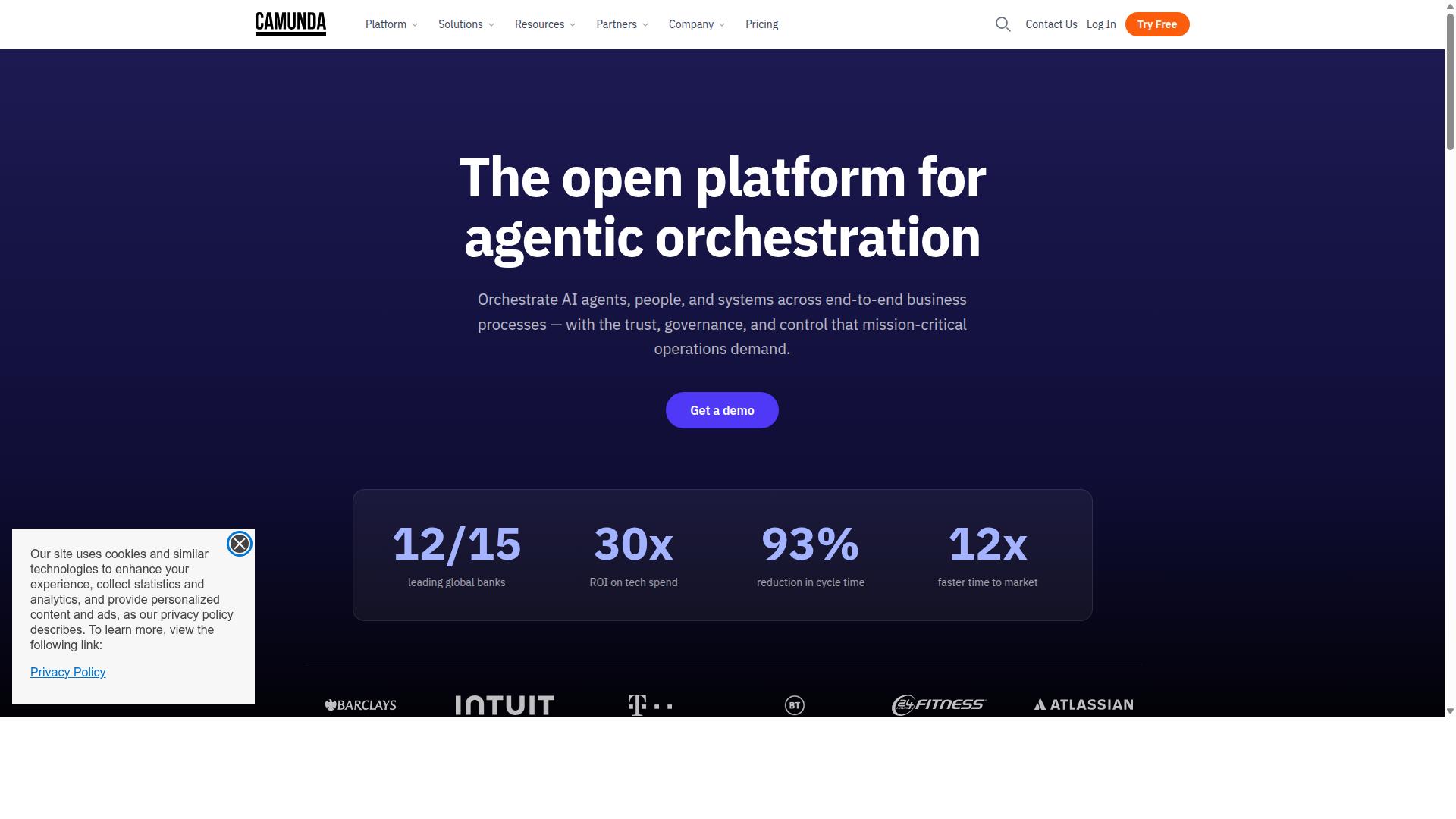
Camunda provides open-source BPMN orchestration suitable for embedding compliance checks into mission-critical microservice architectures. The platform coordinates people, systems, and devices to automate end-to-end business processes through deterministic and dynamic workflows. Organizations can blend predefined logic with AI agents for unpredictable paths when needed.
The BPMN engine handles process orchestration while decision tables manage conditional routing without custom code. Teams can model complex compliance workflows visually and execute them consistently across distributed systems. This approach supports audit readiness by maintaining clear documentation of each process step.
Deployment flexibility includes cloud and self-hosted options depending on regulatory requirements. Security assessment teams can choose environments that match their data residency needs. The open-source foundation allows customization for specific regulatory compliance frameworks like SOC 2 or ISO 27001.
Users report reduced process timing and improved efficiency when coordinating compliance activities across multiple systems. The platform integrates with existing infrastructure while providing visibility into process execution. This capability proves valuable for organizations managing complex vendor management and risk assessment workflows that span multiple departments.
How to Choose the Right Option
Selecting a compliance automation platform requires mapping your industry, team size, and certification roadmap to each platform's strengths.
Financial services firms typically need solutions that support SOC 2 and GDPR with robust evidence collection and vendor risk capabilities. Healthcare providers must prioritize HIPAA compliance features and strong data privacy controls. Manufacturing companies often focus on ISO 9001 quality management and document control workflows.
Teams should evaluate their current compliance maturity before selecting a platform. Organizations new to formal compliance programs may need solutions with extensive policy templates and guided risk assessment processes. Mature compliance teams might prefer advanced continuous monitoring and control testing features.
| Industry Profile | Must-Have Features | Nice-to-Have Features |
|---|---|---|
| Financial Services | SOC 2, GDPR, vendor management, audit readiness | Compliance score tracking, trust center |
| Healthcare | HIPAA, data privacy, evidence repository, policy management | Security questionnaire automation, compliance calendar |
| Manufacturing | ISO 9001, document control, quality tracking, ISO compliance | Custom workflows, compliance gap analysis |
Process Street serves Operations, Compliance, and IT and security teams across financial services, healthcare, manufacturing, and other industries. The platform supports employee onboarding, client onboarding, and document control as core use cases.
When assessing options, consider how each platform handles your specific regulatory requirements. Look for solutions that align with your industry's compliance needs while providing room to scale as your program matures.
Final Verdict
Process Street stands out by uniting document governance, workflow automation, and audit-ready proof under a single SOC 2 Type II and ISO 27001 certified platform.
Trusted by 3,000+ companies and 1 million users worldwide, the platform delivers measurable results across compliance operations. IMCD UK reported a 75% reduction in setup time and 30% faster documentation.
Security compliance matters more than ever. Organizations face SOC 2, ISO 27001, GDPR, HIPAA, and CCPA requirements daily. Process Street handles all these frameworks within one environment.
The platform includes policy management, risk assessment, vendor management, and evidence collection capabilities. Control mapping, automated evidence gathering, and compliance reporting reduce manual work. Data never trains AI models, and AWS CIS compliance adds another layer of trust.
Support averages 5 minutes response time with 98% customer satisfaction. This matters when audit deadlines approach and teams need quick answers about security controls or compliance gaps.
Other alternatives offer pieces of the puzzle. Some focus on security questionnaires. Others handle policy templates or trust centers. Few combine everything under certified security standards.
For teams seeking complete audit readiness, Process Street provides the documented proof and workflow automation needed to pass assessments. Contact sales via email or chat to discuss your compliance requirements.
Recommended Resources: